PiR2-ITService • Enterprise & Solution Architecture

Reference architectures, system integration patterns and executable roadmaps for secure, scalable digital platforms.
What it covers. Enterprise and solution architecture work spans target operating models, capability mapping, system boundaries, integration logic, component responsibilities and the architectural choices needed to support secure delivery at scale.
Why it matters. Complex programmes often fail because architecture is either too abstract or disconnected from implementation. This service is designed to bridge strategy, controls and real delivery constraints so the architecture remains useful throughout the programme lifecycle.
Typical deliverables. Architecture review packs, reference models, system diagrams, integration patterns, transition-state roadmaps, traceability logic and decision records that help stakeholders understand both the target state and the path to reach it.
Engagement value. The service is especially useful when an organization needs to modernize fragmented systems, design a secure platform foundation, coordinate multiple suppliers or clarify architecture before major delivery investment.
Most PiR2-IT architects combine enterprise architecture expertise with hands-on deployment experience. This allows architecture decisions to be evaluated not only from a conceptual perspective, but also from a real delivery, operational efficiency and solution economics standpoint.
 International programme experience
Our architects have worked across complex international delivery environments, including global enterprise programmes, highly regulated ecosystems and high-technology organizations where architecture quality directly affects resilience, performance and cost.
 Deployment-aware architecture
Because many team members have implementation backgrounds, architecture proposals are evaluated against deployment feasibility, integration constraints, migration effort and long-term operational sustainability.
 Architecture second-opinion reviews
PiR2-IT performs independent enterprise architecture second-opinion engagements to test vendor designs, challenge assumptions and identify more resilient and cost-effective target architectures.
 Solution economics
Architecture decisions are assessed through the lens of capability versus investment, helping clients identify options that improve scalability, availability and lifecycle value rather than only short-term delivery speed.
PiR2-IT architecture work is aligned with internationally recognized frameworks used across enterprise, regulated and defence environments.
For banking, payments and capital-markets environments, architecture decisions are also assessed against security, resilience, data lineage, control traceability and change-governance expectations associated with highly regulated financial platforms. This includes structured thinking relevant to PCI DSS, SWIFT security-oriented environments, BCBS 239-style data governance expectations and operational resilience models used in complex financial ecosystems.
These standards and methodologies are used as decision-shaping tools rather than checklist exercises, helping teams identify architecture options that remain scalable, cost-aware, secure and implementable.
For defence and mission-critical ecosystems, architecture work is aligned with interoperability principles and structured architecture viewpoints such as NAF and related defence architecture practices. This enables systems to be analysed across capability, operational and technical viewpoints while maintaining traceability between requirements, systems and operational effects.
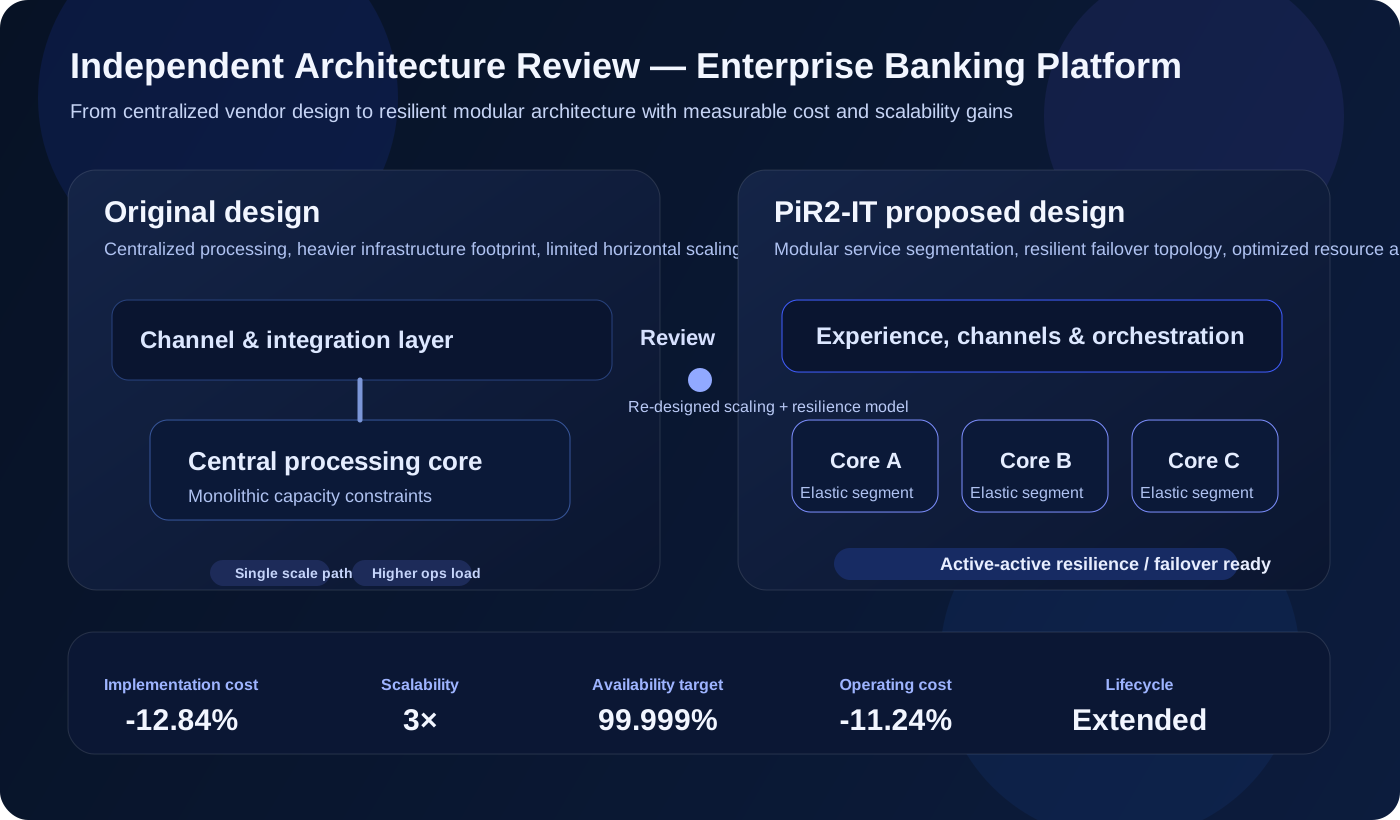
During an independent architecture review for a large enterprise banking system, PiR2-IT evaluated the scalability, resilience and long-term operational sustainability of an existing platform design. The original proposal relied on a more centralized processing model and infrastructure allocation that constrained horizontal growth and increased operating complexity over time.
Following the review, PiR2-IT proposed a revised architecture model based on modular service segmentation, improved resilience and failover topology, optimized infrastructure allocation and redesigned integration and scaling patterns. The result was a more durable architecture baseline designed for transaction growth, service continuity and lower lifecycle overhead.